Home > Programme > Activities > Hillwalking

Hillwalking

Hiking is one of our favourite pastimes, and simple and cheap to do.

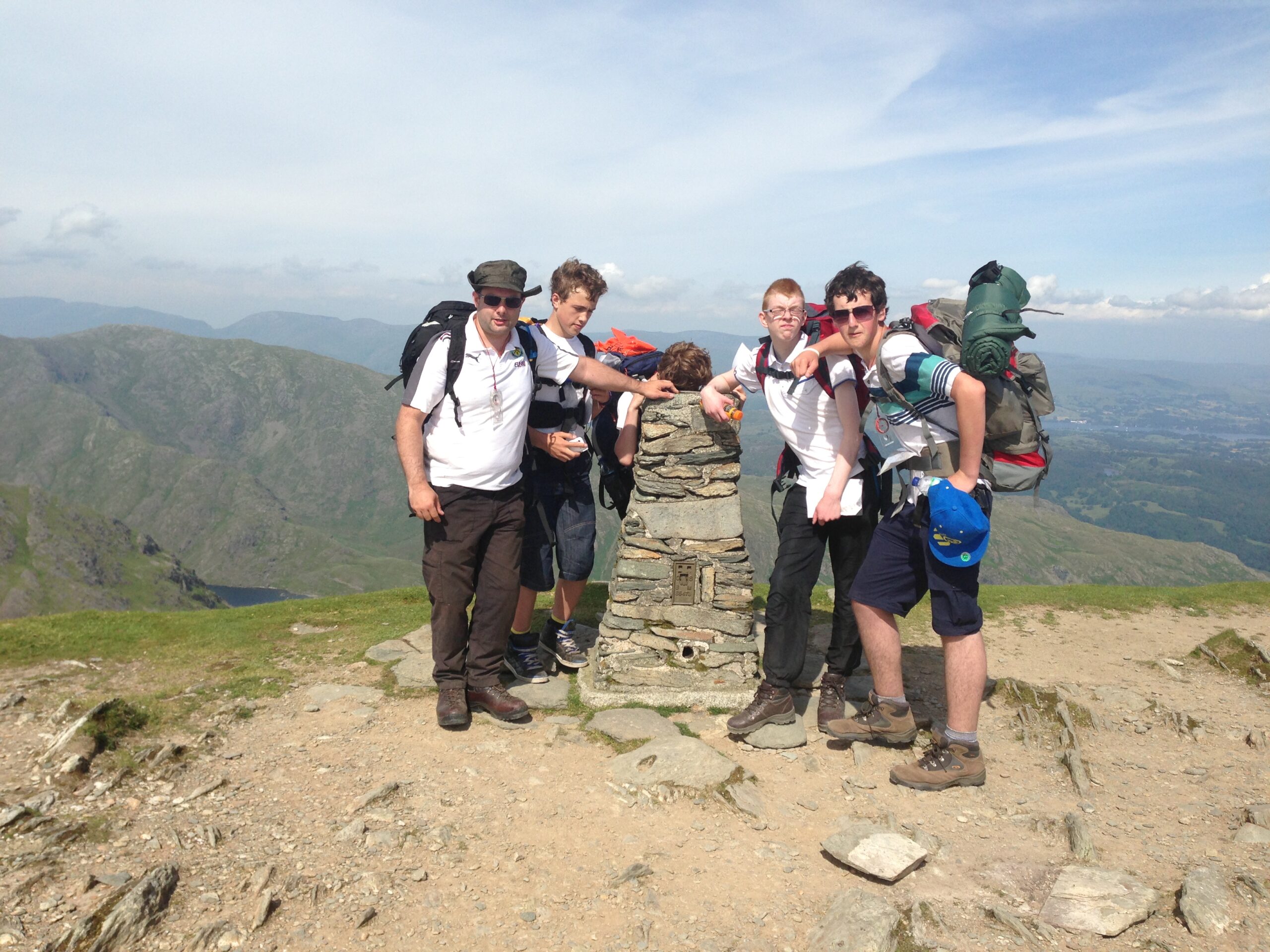
Healthy, challenging, interesting and free. All of our Sections do some form of hiking. In fact, there’s a special series of badges purely to record the number of Hikes Away the young people do. The younger sections will stay more local, and look at nature in the countryside around us. The older sections will go further afield. Hikes across the green fields of the Ribble Valley. Climbs up Pendle Hill, Longridge Fell, Parlick and Beacon Fell. Expeditions crossing dozens of kilometres, from the moorlands of Bleasdale, to the wondrous sights at Malham Tarn, to the dizzying heights and views of the Old Man of Coniston. Depending on the skill level, experience and age of the young people, we will take them anywhere.

Training for adventurous activities such as these is provided, and no volunteer can lead walks more adventurous than the Nick o’Pendle without a Terrain 1 or Terrain 2 permit. Risk assessments are carried out beforehand, and permission must be sought from the Group Lead Volunteer before activities can go ahead.

The right equipment is crucial. Depending on the weather and the ground to be travelled, walking boots may be required. It will always be muddy so decent trainers will be needed as a minimum. Layered clothing helps to regulate body heat when climbing or descending. Waterproof and windproof jackets will certainly be needed for travelling higher and further away from help, such as walking to the summit of Pendle. A first aid kit (and a first aid trained person) is always close by as well.

Just as important is knowing what the weather will do. Our young people are shown how to check a weather forecast, for the tops of hills as well as in the nearby town. They will talk about the risks of hypothermia, sunstroke, exposure, and low visibility. A dynamic risk assessment will be made when the weather turns bad, and pre-determined escape routes will be available to use if necessary.

While out walking, our young people may be taught how to navigate. Scouts and Explorers will learn how to use maps and compasses to work out where they are on the moors, which direction they need to walk, and how long it should take them to get there. They will be able to determine the type of ground they are walking on and what features they should expect to see.

Further reading…

Climbing

Expedition Challenge

Navigation

Healthy, challenging, interesting and free. All of our Sections do some form of hiking. In fact, there’s a special series of badges purely to record the number of Hikes Away the young people do. The younger sections will stay more local, and look at nature in the countryside around us. The older sections will go further afield. Hikes across the green fields of the Ribble Valley. Climbs up Pendle Hill, Longridge Fell, Parlick and Beacon Fell. Expeditions crossing dozens of kilometres, from the moorlands of Bleasdale, to the wondrous sights at Malham Tarn, to the dizzying heights and views of the Old Man of Coniston. Depending on the skill level, experience and age of the young people, we will take them anywhere.

Training for adventurous activities such as these is provided, and no volunteer can lead walks more adventurous than the Nick o’Pendle without a Terrain 1 or Terrain 2 permit. Risk assessments are carried out beforehand, and permission must be sought from the Group Lead Volunteer before activities can go ahead.

The right equipment is crucial. Depending on the weather and the ground to be travelled, walking boots may be required. It will always be muddy so decent trainers will be needed as a minimum. Layered clothing helps to regulate body heat when climbing or descending. Waterproof and windproof jackets will certainly be needed for travelling higher and further away from help, such as walking to the summit of Pendle. A first aid kit (and a first aid trained person) is always close by as well.

Just as important is knowing what the weather will do. Our young people are shown how to check a weather forecast, for the tops of hills as well as in the nearby town. They will talk about the risks of hypothermia, sunstroke, exposure, and low visibility. A dynamic risk assessment will be made when the weather turns bad, and pre-determined escape routes will be available to use if necessary.

While out walking, our young people may be taught how to navigate. Scouts and Explorers will learn how to use maps and compasses to work out where they are on the moors, which direction they need to walk, and how long it should take them to get there. They will be able to determine the type of ground they are walking on and what features they should expect to see.

Further reading…

Climbing

Expedition Challenge

Navigation