Home > Programme > Youth Programme
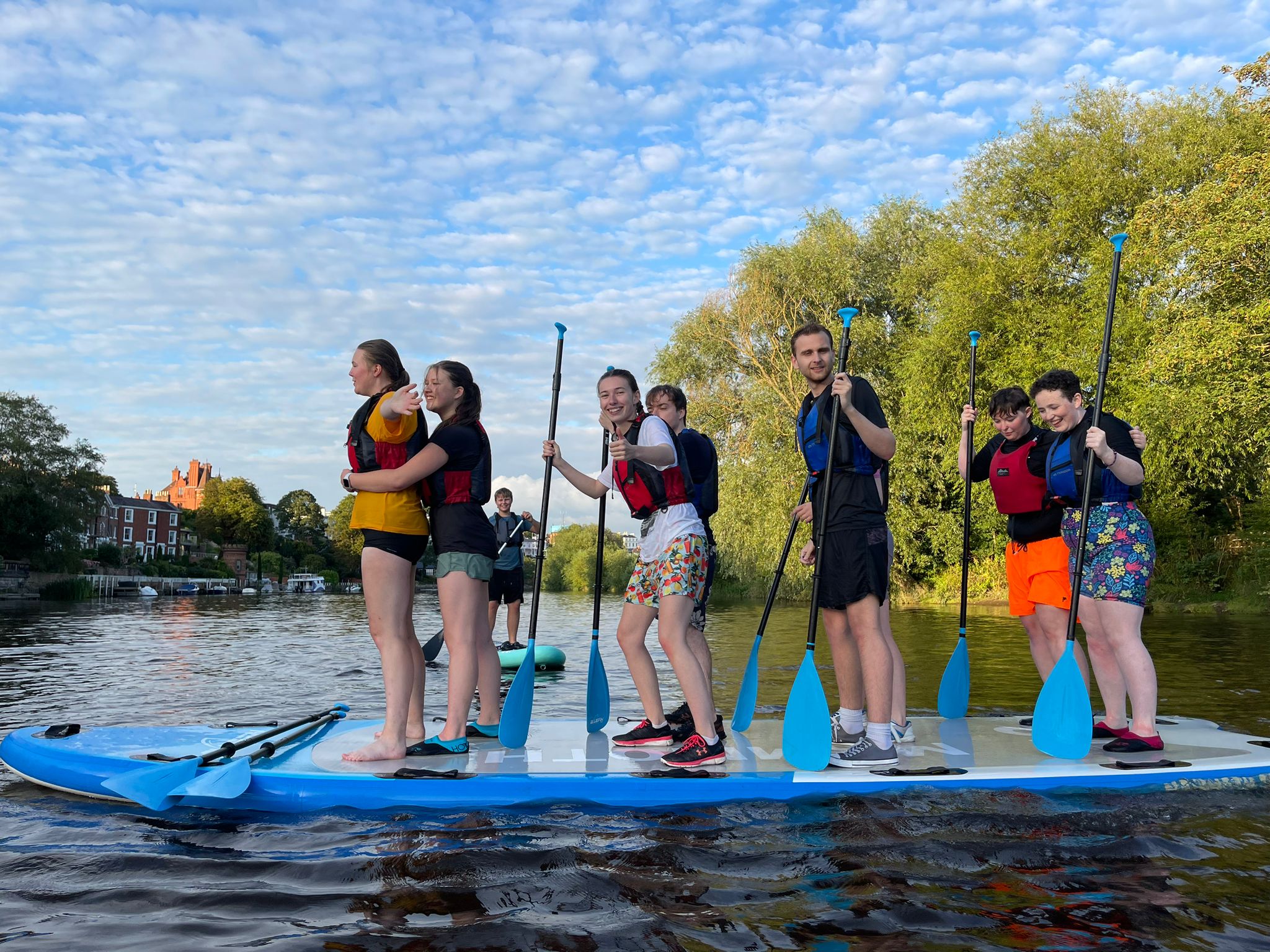
Scouts balancing on a paddle board

Youth Programme

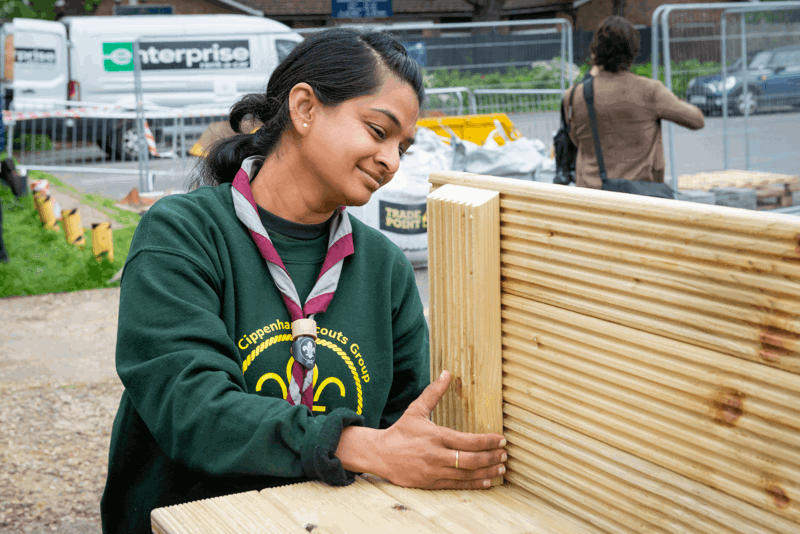
In Scouting young people meet up weekly or at weekends, they do activities with their friends and peers, and the camp out and take part in competitions and events. They go adventuring, they learn skills, they find out about the world around them, and they develop as individuals. To those outside of Scouting, it just looks like having a great time and loads of fun, but from within it’s all part of a master plan, which we call the Balanced Programme!

Each age range has activities and badges tailored to their abilities and ages, but the principle is the same throughout. The Balanced Programme covers areas that those in Scouting believe are important to a young person’s development, such as the Outdoors, Adventure, Global, or Personal. For each programme area there is a Challenge Badge which we aim for every young person to achieve, which shows that they have gained skills and experience in that area. These may require an extended period of time to achieve, but we will work on these within the weekly sessions and camps. We do this using a range of activity types, such as adventurous activity, explorations, discussions, and learning opportunities with others in the community.
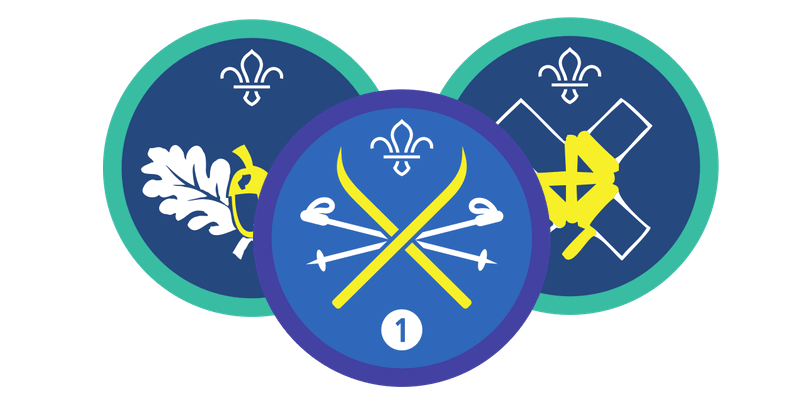
Running alongside the Challenges, and with a loose connection to one or more Programme Areas, are our Activity Badges. Each of these have their own requirements and may be earned during the weekly sessions or even at home. For example, we might run a series of sessions on the Cyclist badge, bringing in experts on cycle maintenance, practicing skills on an obstacle course, and holding an event on a Saturday to get in an extended bike ride. This will get all participants the badge, alongside fulfilling several items of the Skills Challenge Badge. Alternatively, there might be one Scout who is a keen equestrian, and they can bring in evidence of their activities horse-riding which meet the criteria for the Equestrian Activity Badge.

Most of the Activity Badges are individual to the age Section the young people are in. However, some activities are recognised that young people may be at different levels depending on how much practice they give. These activities have Staged Activity Badges which can be earned by young people in any Section. These include Musician, Swimmer, and Emergency Aid to name a few. They also include the special Nights Away and Hikes Away badges, which keep a count of how many nights each person has spent camping or on another residential in Scouting, and how many hikes they have been on.
The ultimate aim for a Young Person is to achieve the top badge in each Section. In Scouts this is the Chief Scout’s Gold Award, and to achieve this they must complete all of the Challenge Badges. There is a similar one for Cubs (Chief Scout’s Silver Award), Beavers (Chief Scout’s Bronze Award) and Squirrels (Chief Scout’s Acorn Award).

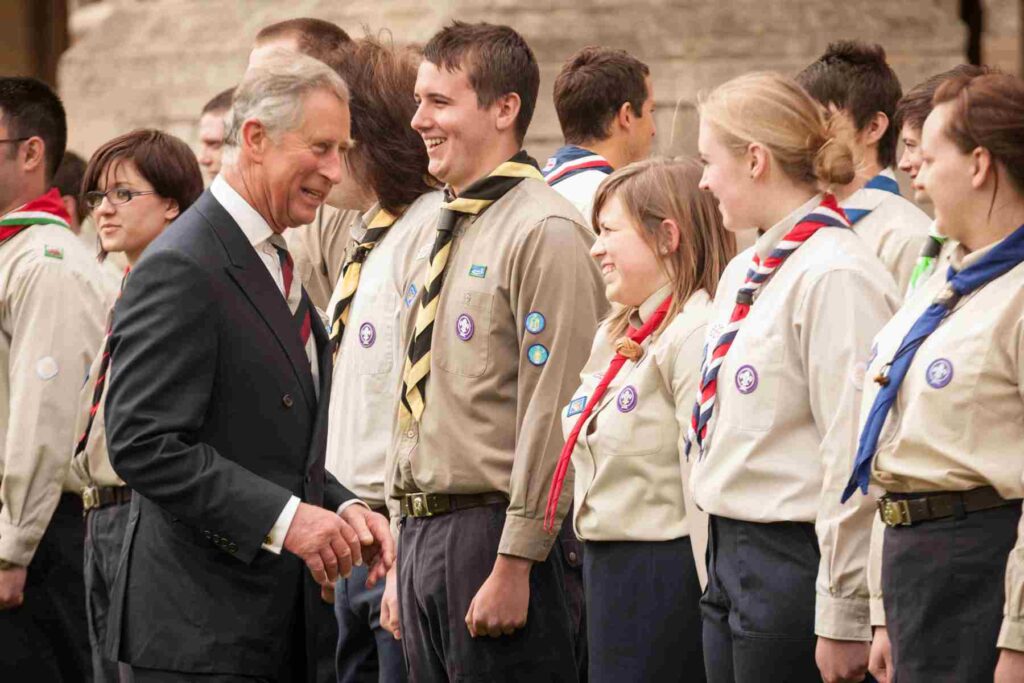
When a young person goes to Explorers and Network they can then complete the Chief Scout’s Platinum and Chief Scout’s Diamond Awards, which are comparable to the Duke of Edinburgh’s Bronze and Silver Awards respectively. The final award is the King Scout Award, which is the ultimate youth Award in Scouting, and surpasses the Gold Duke of Edinburgh Award in difficulty but is similar for the majority. A young person who achieves this is awarded the King Scout Award at Windsor Castle by the King himself, and is recognised globally as a massive achievement by Universities and prospective employers alike.

Further reading…

Activities

Badges

Sections

Scouts.org.uk Badges

In Scouting young people meet up weekly or at weekends, they do activities with their friends and peers, and the camp out and take part in competitions and events. They go adventuring, they learn skills, they find out about the world around them, and they develop as individuals. To those outside of Scouting, it just looks like having a great time and loads of fun, but from within it’s all part of a master plan, which we call the Balanced Programme!

Each age range has activities and badges tailored to their abilities and ages, but the principle is the same throughout. The Balanced Programme covers areas that those in Scouting believe are important to a young person’s development, such as the Outdoors, Adventure, Global, or Personal. For each programme area there is a Challenge Badge which we aim for every young person to achieve, which shows that they have gained skills and experience in that area. These may require an extended period of time to achieve, but we will work on these within the weekly sessions and camps. We do this using a range of activity types, such as adventurous activity, explorations, discussions, and learning opportunities with others in the community.

Running alongside the Challenges, and with a loose connection to one or more Programme Areas, are our Activity Badges. Each of these have their own requirements and may be earned during the weekly sessions or even at home. For example, we might run a series of sessions on the Cyclist badge, bringing in experts on cycle maintenance, practicing skills on an obstacle course, and holding an event on a Saturday to get in an extended bike ride. This will get all participants the badge, alongside fulfilling several items of the Skills Challenge Badge. Alternatively, there might be one Scout who is a keen equestrian, and they can bring in evidence of their activities horse-riding which meet the criteria for the Equestrian Activity Badge.

Most of the Activity Badges are individual to the age Section the young people are in. However, some activities are recognised that young people may be at different levels depending on how much practice they give. These activities have Staged Activity Badges which can be earned by young people in any Section. These include Musician, Swimmer, and Emergency Aid to name a few. They also include the special Nights Away and Hikes Away badges, which keep a count of how many nights each person has spent camping or on another residential in Scouting, and how many hikes they have been on.

The ultimate aim for a Young Person is to achieve the top badge in each Section. In Scouts this is the Chief Scout’s Gold Award, and to achieve this they must complete all of the Challenge Badges. There is a similar one for Cubs (Chief Scout’s Silver Award), Beavers (Chief Scout’s Bronze Award) and Squirrels (Chief Scout’s Acorn Award).

When a young person goes to Explorers and Network they can then complete the Chief Scout’s Platinum and Chief Scout’s Diamond Awards, which are comparable to the Duke of Edinburgh’s Bronze and Silver Awards respectively. The final award is the King Scout Award, which is the ultimate youth Award in Scouting, and surpasses the Gold Duke of Edinburgh Award in difficulty but is similar for the majority. A young person who achieves this is awarded the King Scout Award at Windsor Castle by the King himself, and is recognised globally as a massive achievement by Universities and prospective employers alike.

Further reading…

Activities

Badges

Sections

Scouts.org.uk Badges